How Automated Customer Funnels Move Prospects From Interest to Action in Charlotte
Understanding the flow from curious visitor to paying customer
Every business wants to turn a browser into a buyer. The challenge is that interest fades fast. A person might land on your site, read a page, and then leave without taking the next step. That gap between interest and action is where most opportunities get lost. An automated customer funnel is designed to close that gap by guiding people through a series of logical steps, each one building on the last, until they are ready to commit.
Think of a funnel as a path. At the top, you have people who are just learning about what you offer. They may have found you through a search, a social post, or a referral. At the bottom, you have people who have made a decision and taken action. The work happens in the middle: moving people from awareness to consideration, and from consideration to purchase. Automation simply means that the system handles that movement without you having to manually nudge every single person.
Web Rank Digital is also on Facebook.
Step 1: Capture attention with a focused landing page
The first step is getting someone to stop and pay attention. A landing page is a single-purpose page designed for one specific offer or message. Unlike a homepage, which tries to do too many things, a landing page has one goal: to capture contact information or to get a click on a call to action. The headline should state clearly what the visitor will get. The copy should be short, direct, and focused on the benefit to them. Avoid distractions like navigation menus or multiple links. Every element on the page should support the single goal.
What to watch at this step: Make sure the landing page loads quickly and works well on mobile devices. A slow page or one that is hard to read on a phone will lose visitors before they even see your offer. Also, test different headlines and images to see what resonates. Small changes can make a big difference in conversion rate.
Step 2: Capture leads with a clear offer
Once a visitor is on your landing page, you need to give them a reason to share their contact information. This is usually an offer of value: a free guide, a checklist, a consultation, a discount code, or access to a webinar. The offer should be relevant to what they were searching for. If someone came looking for information about HVAC maintenance, a free guide to seasonal HVAC checks will feel useful. A discount on a new furnace might also work, but only if they are further along in their decision process.
The form to capture their information should ask for only what you need. A name and email address is often enough to start. Asking for too much information too early can scare people off. If you need more details later, you can collect them through follow-up emails or a longer form after the initial contact.
What to watch at this step: Your call to action button text matters. Instead of "Submit," use something that describes what they get, like "Get Your Free Guide" or "Request a Quote." Also, make sure the form is easy to fill out on any device. A form that requires too much typing on a small screen will lose people.
Step 3: Qualify leads automatically
Not every lead is ready to buy right away. Some are just curious. Others have a genuine need but are still comparing options. Lead qualification helps you separate the people who are ready to talk from those who need more nurturing. Automated lead qualification can be based on the information they provided in the form, such as their industry, company size, or the specific problem they mentioned. It can also be based on their behavior: Did they open the follow-up email? Did they click the link to your pricing page? Did they visit your site multiple times?
Based on these signals, the system can assign a score to each lead. A high-scoring lead might be passed directly to your sales team for a call. A lower-scoring lead might receive a series of automated emails designed to educate and build trust over time. This way, you are not wasting your sales team's time on people who are not yet ready, and you are not ignoring people who just need a bit more information before they decide.
What to watch at this step: Set your qualification criteria carefully. If you set the bar too low, your sales team will waste time on unqualified leads. If you set it too high, you might miss people who would have converted with a little more nurturing. Review your lead scoring periodically and adjust based on what you learn from your actual conversions.
Step 4: Nurture with automated follow-up sequences
Once a lead is captured and qualified, the next step is to stay in touch. An automated customer funnels approach uses a series of pre-written emails or messages that are sent on a schedule. The first email might thank them for their interest and deliver the promised offer. The second might provide additional useful information related to their initial interest. The third might share a case study or a testimonial from a similar customer. The fourth might present a special offer or a call to schedule a call.
The key is to provide value in every message. Do not just pitch your product over and over. Share content that helps the lead solve their problem or make a better decision. Over time, they will come to see you as a helpful resource, not just someone trying to sell them something. The automated system can also track which emails they open and which links they click, allowing you to tailor future messages based on their interests.

What to watch at this step: Do not let your follow-up sequence run on autopilot forever. Review the sequence regularly to make sure the offers are still relevant and the timing feels right. Also, give leads an easy way to opt out or adjust their preferences. People who feel trapped in an email sequence will unsubscribe or mark you as spam.
Step 5: Convert with a clear call to action
At some point in the nurturing process, the lead should be ready to take the next step. That step could be booking a consultation, requesting a quote, signing up for a free trial, or making a purchase. Your automated system should present a clear call to action at the right moment. This might be a button in an email, a link to a scheduling page, or a pop-up on your site that offers a limited-time discount.
The timing of the call to action matters. If you ask too early, you risk pushing the lead away. If you wait too long, the lead might lose interest or find another solution. The best way to identify the right timing is to look at your data. Which actions tend to precede a conversion? Which emails or pages do people interact with before they buy? Use those signals to trigger your final call to action.
What to watch at this step: Make sure your call to action is visible and easy to complete. If you ask them to book a call, link directly to a calendar that shows available times. If you ask them to make a purchase, make sure the checkout process is simple and secure. Every extra click or form field reduces the likelihood of conversion.
Step 6: Continue the relationship after the action
The funnel does not end when someone becomes a customer. In fact, that is where a new funnel begins. A satisfied customer can become a repeat buyer, a brand advocate, or a source of referrals. Your automated system should include follow-up messages after the purchase to thank them, ask for feedback, and offer additional products or services that complement what they bought. You can also set up a referral program that rewards customers for bringing in new leads.
What to watch at this step: Do not assume that a purchase means the relationship is over. Keep providing value through your emails or other channels. Ask for reviews and testimonials, and use them to build trust with new leads. A customer who feels appreciated is more likely to come back and to tell others about you.
Putting it all together
Building an automated customer funnel is not a one-time project. It requires ongoing attention and adjustment. The market changes. Your customers' needs change. Your offers and messages need to evolve with them. The tools available today make it possible to set up sophisticated sequences that run in the background, but the thinking and the strategy still come from you.
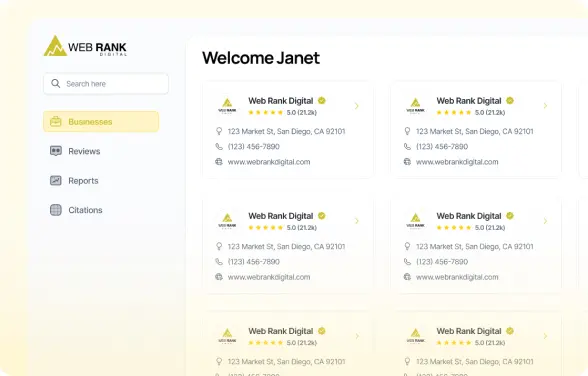
If you are looking for a platform that can help you design and manage these funnels, Web Rank Digital offers a customer acceleration platform that includes automated customer funnels for acquisition sequences. Their system also includes market intelligence and competitor analysis to help you understand where your opportunities lie. You can reach them at 401 s Graham st, Charlotte, NC 28202, or call them at +1 877-726-5871 to learn more about how their platform works.
Ends · MARKETMOMENTUM